

Signs Your Roof Needs Replacement
Recognising when a roof needs replacement rather than repair saves homeowners from ongoing patchwork costs. This guide explains the warning signs that indicate end-of-life roofing, including age thresholds, structural symptoms, and economic considerations.
Call (02) 5850 0271When Does Repair Stop Making Sense?
Every roof eventually reaches a point where repairs become a losing battle. While fixing isolated damage on a sound roof makes perfect sense, repeatedly patching different sections of an ageing roof rarely does. Understanding the difference between a repairable issue and a roof nearing the end of its service life helps homeowners avoid throwing money at temporary fixes that provide diminishing returns.
This guide outlines the clear warning signs that indicate replacement is the wiser choice. From structural symptoms to economic thresholds, knowing what to look for allows homeowners to plan proactively rather than react to emergency failures. Catching these signs early provides time to budget, research options, and schedule work during favourable weather rather than scrambling after a catastrophic leak.
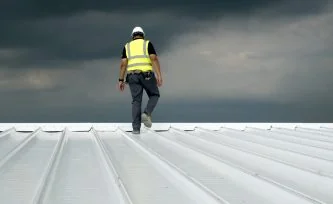
When Repair Stops Being Cost-Effective
Repairing isolated problems on a structurally sound roof makes perfect financial sense. A few cracked tiles, localised flashing wear, or a single penetration leak can be fixed affordably without touching the entire roof. However, when repairs become a recurring pattern across different roof sections, the economics shift dramatically.
The telltale sign is when leaks recur in different locations each year. You patch the western side in autumn, the northern valley in spring, then the ridge in summer. Each repair might cost a few hundred to a few thousand dollars, but the cumulative total over two or three years can approach or exceed what replacement would have cost. Worse still, these repairs provide only temporary relief on a roof that continues deteriorating underneath.
At this stage, ongoing repair costs exceed the cost of replacement when viewed over even a modest timeframe. A new roof provides three to five decades of protection, while continuing to patch an old roof offers months to a couple of years at best before the next leak appears. The break-even calculation becomes clear: replacement delivers better long-term value and eliminates the stress of recurring failures.
Clear Signs Your Roof Needs Replacement
The following symptoms indicate that the roof has reached or passed its functional end of life. While one or two isolated issues might justify targeted repair, multiple concurrent problems strongly suggest replacement is the appropriate path:
- Multiple leaks appearing in different parts of the roof, especially if they develop within a year or two of previous repairs
- Widespread rust, perforation, or coating failure on metal roofs affecting large sections rather than isolated panels
- Large numbers of cracked, broken, or delaminating tiles, typically more than 10 to 15 percent of the total roof area
- Sagging roof sections indicating structural deterioration of battens, rafters, or underlying framing rather than simple cosmetic issues
- Daylight visible through the roof from inside the ceiling cavity, revealing gaps where materials have failed or shifted
- Extensive moss, lichen, or algae growth that has physically lifted tiles or worked underneath roofing materials, compromising weatherproofing
- Ridge cap pointing and bedding failed across the entire roofline rather than just isolated sections, allowing water penetration along the peak
Age as an Indicator
Roofing materials have well-established service life expectations based on decades of field performance data. Tile roofs in Australia typically see the tiles themselves last 50 years or more, but the pointing and bedding that secure them deteriorate much faster, usually requiring attention between 15 and 25 years. Metal roofs commonly last 30 to 50 years depending on coating quality, environmental exposure, and proximity to salt air along the coast.
If your roof is approaching these age thresholds and showing multiple warning signs, replacement planning makes sense even before catastrophic failure occurs. Waiting until the roof fails completely often means emergency repairs, limited contractor availability, potential water damage to interiors, and scheduling during unfavourable weather. Proactive replacement when the roof is near end of life but still functional allows homeowners to choose materials, compare quotes, and schedule work at their convenience.
Age alone does not automatically mandate replacement. A well-maintained 40-year-old tile roof with sound bedding and intact tiles may still have useful life remaining. Conversely, a 20-year-old metal roof with severe coastal corrosion might need replacement despite being well short of its expected lifespan. Age combined with visible deterioration provides the clearest signal.
Restoration vs Replacement Decision
A weathered but structurally sound roof might benefit from restoration, which includes cleaning, repointing, and recoating, rather than full replacement. Restoration can extend service life 10 to 15 years for a fraction of replacement cost, typically between one-third and one-half the price. However, if structural problems exist, battens are rotten, tiles are delaminating, or the roof has reached genuine end of life, restoration merely delays the inevitable while consuming funds better allocated to replacement. A professional assessment helps clarify whether the underlying structure and materials can support restoration or whether replacement is the only sound path forward. The wrong choice wastes money: restoring a roof that needs replacing throws good money after bad, while replacing a roof that could be restored spends unnecessarily.
Economic Considerations
Full re-roofing typically costs between 15,000 and 40,000 dollars or more for a typical Wollongong home, depending on roof size, material chosen, pitch complexity, and access difficulty. While this represents a significant investment, it must be weighed against the alternative: ongoing repair bills every few months ranging from 300 to 3,000 dollars each time a new leak appears or another section fails.
Replacement provides 30 to 50 years of new protection depending on material selected, along with modern improvements such as upgraded sarking, ventilation, and energy efficiency that older roofs lack. Insurance companies value homes with new roofs more favourably, often providing better coverage terms or lower premiums. Energy costs may decrease due to improved insulation and reflective coatings available on modern roofing products.
Financing options and staged approaches can make replacement more accessible. Some homeowners choose to re-roof in sections, completing the most damaged areas first and spreading costs across multiple years. However, this approach only makes sense if the underlying structure remains sound. If battens and framing need replacement, doing the entire roof at once avoids the inefficiency of mobilising contractors and scaffolding multiple times.
Considering re-roofing?
Get a detailed assessment of whether replacement is the right choice
Frequently asked questions
If problems are isolated to a small area and the rest of the roof is sound, repair makes sense. If leaks recur in multiple locations, the roof is near its expected service life, or you see widespread deterioration such as sagging, extensive cracking, or rust, replacement becomes the better long-term investment. A professional inspection can assess the underlying structure and materials to clarify which path is appropriate.
Waiting until complete failure risks interior water damage, limits your choice of contractors due to emergency scheduling, forces work during unfavourable weather, and removes time to budget or compare quotes. Planning replacement proactively when the roof is near end of life but still functional provides better outcomes and lower overall costs by avoiding emergency premiums and secondary damage.
Restoration works well for roofs that are cosmetically tired but structurally sound, extending service life 10 to 15 years at a fraction of replacement cost. However, if structural issues exist, battens are compromised, or materials have reached genuine end of life, restoration only delays replacement while consuming funds better spent on a new roof. Professional assessment determines whether the underlying condition supports restoration.
Full re-roofing for a typical Wollongong home ranges from 15,000 to 40,000 dollars or more depending on roof size, material chosen, pitch complexity, access difficulty, and whether structural repairs are needed. This investment provides 30 to 50 years of protection, improved energy efficiency, and better insurance terms compared to ongoing repair costs on a failing roof.
Age provides a useful guideline but not an absolute rule. Tile roofs may see tiles last 50 years while pointing and bedding fail after 15 to 25 years. Metal roofs typically last 30 to 50 years depending on coating and coastal exposure. A well-maintained roof near these ages but still sound may continue serving, while a roof well short of expected lifespan but showing severe deterioration may need replacement. Age combined with visible condition provides the clearest signal.
Roofing services related to this guide
Related roofing guides
If you have questions about your specific roof, call us on (02) 5850 0271
Email: info@wollongonglocalroofers.com.au
Mon - Sat • 7:00am - 7:00pm
Ready to protect your roof?