

Common Causes of Roof Leaks Explained
Understanding why roofs leak helps homeowners identify problems early and prevent recurring issues. This guide explains the most common causes of roof leaks in Australian homes, from age-related deterioration to storm damage and installation defects.
Call (02) 5850 0271Why Understanding Leak Causes Matters
A roof leak can manifest as water stains on ceilings, damp patches in wall cavities, or pooling water in the roof space. While the symptoms are obvious, identifying the underlying cause is essential for effective repair. Many homeowners attempt to patch visible damage without addressing the root problem, leading to recurring leaks and escalating repair costs. This guide explains the most frequent causes of roof leaks in Australian residential properties.
Roof leaks rarely develop overnight. Most failures result from gradual deterioration, weather exposure, or installation defects that become apparent years after construction. By understanding the common causes, homeowners can conduct regular inspections, prioritise maintenance, and make informed decisions about whether a repair or full restoration is the most cost-effective solution.
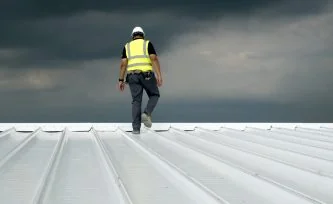
Why Roofs Leak
A roof is a complex system of overlapping components, each designed to direct water away from the building envelope. Tiles or metal sheets form the primary weather barrier, while sarking membranes provide secondary protection. Flashing seals transitions at chimneys, vents, skylights, and wall intersections. Ridge caps cover the apex where two roof planes meet. Gutters and downpipes channel water safely to ground level.
Failure of any single component can compromise the entire system. A single cracked tile allows water to reach the sarking beneath. If the sarking is degraded or incorrectly lapped, water penetrates the roof space and migrates to ceiling cavities. A blocked gutter causes water to back up under the lower course of tiles, bypassing the drainage system entirely. Understanding this interconnected nature is key to diagnosing leak sources.
Most Common Causes of Roof Leaks
The following causes account for the majority of roof leaks in Wollongong and the broader Illawarra region. Each cause has distinct symptoms and repair requirements.
- Cracked or broken tiles: Impact damage from falling branches, foot traffic during maintenance, or thermal stress from frost can fracture tiles, creating direct water entry points.
- Degraded ridge cap pointing and bedding: The mortar securing ridge caps deteriorates over 10 to 15 years, allowing water to enter at the roof apex. This is the most common cause on older tile roofs.
- Corroded or punctured metal sheets: Rust develops on ageing Colorbond roofs, particularly around fasteners. Hailstones can dent or puncture metal sheeting during severe storms.
- Failed flashing around penetrations: Flashing at chimneys, vents, and skylights degrades due to UV exposure, thermal expansion, and poor installation. Improperly lapped flashing allows water to enter behind the barrier.
- Blocked gutters causing water backup: Leaves, debris, and sediment accumulate in gutters, forcing water to pool and flow back under the lower tile course or metal edge.
- Missing or wind-displaced tiles: Strong winds during east coast lows can lift or dislodge tiles, leaving gaps in the weather barrier.
- Degraded silicone sealants on penetrations: Sealants around roof vents, pipe boots, and antennae break down from UV exposure within 8 to 12 years, creating entry points for water.
Age-Related Causes
All roofing materials have finite lifespans, and deterioration accelerates with prolonged exposure to Australian weather conditions. Tile pointing typically requires renewal every 10 to 15 years, as mortar becomes porous and cracks develop. Metal roof fastenings loosen and corrode over decades, allowing sheets to lift in high winds. Silicone sealants degrade from UV radiation within 8 to 12 years, losing elasticity and adhesion.
Sarking membranes, while protected from direct sunlight, can tear or sag due to moisture accumulation and thermal cycling. Older sarking materials may lack the tensile strength of modern products, providing diminished secondary protection as they age. Even well-maintained roofs exhibit progressive wear. Understanding these age-related factors helps homeowners anticipate maintenance needs and budget for restoration before minor issues escalate into major failures.
Why Quality of Installation Matters
Many persistent leak problems trace back to installation defects rather than material failure. Improperly lapped flashing, incorrect tile alignment, insufficient sealant application, or missing sarking can cause leaks within the first few years of a new roof. A reputable installation includes proper detailing at all penetrations and intersections, correct fastener spacing and sealing, and adequate sarking coverage with taped seams. Cutting corners during installation often results in premature failures that require expensive remediation. When commissioning a new roof or major repair, verify that the contractor follows Australian Standards for roofing installation and provides documentation of materials and methods used.
Weather-Related Causes
Severe weather accelerates roof deterioration and can cause immediate structural damage. Hailstones crack tiles and dent metal sheets, creating fractures that allow water ingress. Strong winds during storms lift tiles and damage ridge caps, particularly on roofs with degraded bedding or insufficient fixing. Heavy rainfall overwhelms partially blocked gutters, forcing water to back up under tiles and into the roof space.
Extended droughts followed by sudden heavy rain create thermal cycling that stresses sealants and causes cracking. Coastal environments present additional challenges: the combination of east coast lows and salt-laden air in the Illawarra region accelerates corrosion of metal roofs and fasteners. Homes near the coast often require more frequent inspection and maintenance to address salt-induced degradation before leaks develop.
Frequently asked questions
Degraded ridge cap pointing and bedding is the most frequent cause on older tile roofs. The mortar securing ridge caps deteriorates over 10 to 15 years, allowing water to penetrate at the roof apex. Regular inspection and timely re-pointing prevent this issue from developing into a major leak.
When gutters fill with leaves and debris, water cannot drain properly and backs up under the lower course of tiles or the edge of metal sheeting. This bypasses the intended water flow path and allows water to enter the roof space. Regular gutter cleaning prevents this common cause of leaks.
Yes. Many leaks originate from failed flashing around chimneys, vents, and skylights, or from degraded sealants around penetrations. These components may fail while the primary roofing material remains intact. A thorough inspection of all penetrations and transitions is necessary to identify hidden leak sources.
No. Most leaks can be resolved with targeted repairs, such as re-pointing ridge caps, replacing damaged tiles, or re-sealing flashing. A professional assessment determines whether localised repair or broader restoration is the most cost-effective approach. Complete replacement is typically reserved for roofs with widespread material failure or structural damage.
Coastal environments expose roofs to salt-laden air and east coast lows, which accelerate corrosion of metal components and fasteners. Salt accumulation on tiles and metal sheets retains moisture, increasing the rate of deterioration. Homes within a few kilometres of the coast benefit from more frequent inspection and proactive maintenance to address salt-induced degradation before leaks develop.
Roofing services related to this guide
Related roofing guides
If you have questions about your specific roof, call us on (02) 5850 0271
Email: info@wollongonglocalroofers.com.au
Mon - Sat • 7:00am - 7:00pm
Ready to protect your roof?