

Roof Repair vs Replacement: How to Decide
Deciding between roof repair and full replacement is one of the most significant decisions a homeowner makes. This guide compares the two options across cost, longevity, disruption, and roof condition factors, helping you understand when each choice makes sense.
Call (02) 5850 0271Making the Right Roofing Investment
When your roof develops problems, the fundamental question becomes whether to patch the issue or replace the entire system. This decision affects your budget, your home protection, and your long-term maintenance burden. Understanding the factors that drive the choice helps you invest wisely rather than throwing money at a system that will fail soon, or over-investing in a replacement when targeted repair would suffice.
The repair-or-replace decision hinges on roof age, the extent and location of damage, how often you have been calling out tradespeople, and what your budget allows. This guide breaks down each option side by side, explains when repair is the smart choice, when replacement becomes necessary, and introduces the middle option many homeowners overlook: roof restoration.
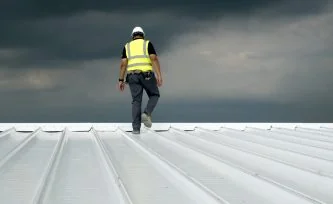
The Repair vs Replacement Question
For most homeowners, the question only arises when a roof shows multiple problems or reaches an age where ongoing maintenance starts to feel like a losing battle. Repair makes sense for isolated issues on otherwise sound roofs; replacement makes sense for end-of-life systems or when repair costs exceed long-term value. The key factors are roof age, extent of damage, repair frequency, and budget.
A roof in good structural condition with a single leak point is rarely a replacement candidate. A roof with widespread cracking, multiple leak locations, sagging sections, or visible deterioration across the surface is rarely worth patching indefinitely. Between these extremes lies the zone where restoration becomes the best answer, offering more protection than repair alone but at a fraction of replacement cost.
Repair vs Replacement at a Glance
A side-by-side comparison of the two options across the factors most homeowners consider.
| Factor | Repair | Replacement |
|---|---|---|
| Typical cost | $300 to $3,000 per issue | $15,000 to $40,000+ full re-roof |
| Lifespan added | 1 to 5 years per repair | 30 to 50 years |
| Disruption | 1 day or less | 1 to 3 weeks |
| Insurance compatibility | Often covers storm damage | Insurance values new roofs higher |
| Best for | Sound roof, isolated issues | End-of-life or extensive damage |
| Worst case | Repeat repairs in different spots | Significant upfront cost |
When Repair is the Right Choice
Repair makes sense when the roof is structurally sound, the issue is isolated (one or two leak points, a few broken tiles, a specific flashing detail), the roof is less than 15 to 20 years old, and the repair quote is a fraction of replacement cost. A good roof in middle age with a single problem area is a clear candidate for repair, not replacement. Many roofs last 50 plus years with regular maintenance and targeted repairs.
Typical repair scenarios include fixing a valley flashing that has pulled away, replacing a small cluster of broken concrete tiles after a storm, resealing a penetration point around a vent or skylight, or repairing a section of ridge capping that has lifted. If the rest of the roof surface is intact, the framing underneath is dry and sound, and you expect another decade or more from the system, repair is the economical and sensible choice.
Insurance often covers storm-related damage, making repair even more attractive when the root cause is a recent weather event rather than gradual wear. A single call-out that solves the immediate problem and restores full protection is exactly what repair is for.
When Replacement Makes More Sense
Replacement is the right choice when the roof shows multiple problems in different locations, when individual repair costs are approaching $4,000 to $5,000 per call-out, when the roof is approaching its material lifespan (25 plus years for metal, 50 plus for tile), when leaks have caused structural damage to framing, or when the roof type itself is outdated (asbestos cement, old fibre-cement). At that point, ongoing repair becomes throwing money at a system that will fail entirely soon.
Signs that replacement is the better path include widespread tile cracking, rust perforation across large sections of a metal roof, sagging rooflines indicating structural fatigue, or interior ceiling damage in multiple rooms from repeated leaks. If you have called a roofer three or four times in the past two years for different issues, the roof is telling you it has reached the end of effective service life.
Replacement also makes sense when you plan to sell the property within a few years. A new roof is a strong selling point, adds value to the home, and removes a negotiation obstacle. Buyers value homes with recently replaced roofs because they know they will not face major roofing expenses for decades.
The Middle Ground: Restoration
For roofs that are weathered but structurally sound, restoration is often the answer between simple repair and full replacement. Restoration includes cleaning, repointing ridge caps, replacing broken tiles, and applying protective coatings. It costs $4,000 to $15,000 (less than full replacement) and adds 10 to 15 years of service life. If your roof is 15 to 25 years old and showing wear but not failure, restoration is worth considering alongside the repair-or-replace decision.
Frequently asked questions
Age alone does not disqualify repair. The question is whether the roof substrate, framing, and majority of the surface are still sound. A 30-year-old tile roof with isolated damage can still be a repair candidate if the tiles and sarking underneath are intact. A 20-year-old metal roof with rust perforation across multiple sheets is not. A roof inspection will assess the overall condition beyond the visible damage.
Yes, if the damage is confined to one section and the rest of the roof is in good condition. Many homeowners repair a damaged valley or one slope and plan to replace the entire roof years later when the rest of the system reaches end of life. Just be aware that matching materials (especially tile colour or profile) can be difficult if the product has been discontinued.
Insurance typically covers the cost to restore the roof to pre-damage condition, which usually means repair unless the damage is so extensive that replacement is the only viable option. Insurers will assess the scope of damage and age of the roof. A new roof may increase your home insurance value and reduce premiums because the risk of future claims drops.
A well-executed repair on a sound roof can last anywhere from 5 to 15 years, depending on the nature of the fix and the condition of the surrounding material. Flashing repairs, tile replacements, and resealing work are durable when done correctly. The repair itself is not the weak point; the question is whether the rest of the roof will develop new issues in the meantime.
Wide variation in repair quotes often reflects different assessments of what actually needs fixing. One tradesperson may quote to patch the visible issue; another may recommend addressing underlying causes like inadequate flashing or poor original installation. Ask each to explain exactly what the quote covers, what materials they will use, and what they expect the repair to achieve. The cheapest quote is not always the best value.
Roofing services related to this guide
Related roofing guides
If you have questions about your specific roof, call us on (02) 5850 0271
Email: info@wollongonglocalroofers.com.au
Mon - Sat • 7:00am - 7:00pm
Ready to protect your roof?