

Roof Restoration in Coniston
Coniston roofs face unique challenges from harbour proximity, Port Kembla industrial exposure, and coastal salt air. We restore weathered roofs across federation cottages, post-war builds, and brick veneer homes, bringing back structural integrity and weatherproofing performance without full replacement.
Restoring Coniston roofs to full function
Coniston sits directly south of Wollongong CBD between the harbour and the Port Kembla corridor, creating a distinct exposure profile for residential roofs. Coastal salt spray combines with industrial atmospheric particles, accelerating surface degradation on older tiles and metal sheeting. Federation and post-war cottages dominate the streetscape, many with original or early replacement roofing that has served for decades but now shows visible wear. Restoration addresses this degradation systematically, cleaning, repairing, and resealing to extend serviceable life while preserving the existing structure.
We work across the full spectrum of Coniston housing stock, from weatherboard federation homes near the railway line to mid-century brick veneer family properties closer to the harbour foreshore. Each restoration begins with a thorough inspection to assess remaining material integrity, identify localised damage from salt and industrial exposure, and determine which elements need replacement versus surface treatment. The goal is always to maximise the value of your existing roof while delivering renewed weatherproofing and visual appeal suited to this established residential suburb.
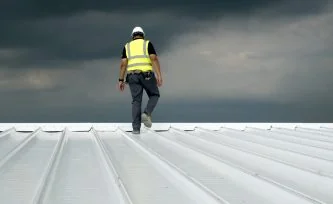
Why Coniston properties need restoration tailored to local exposure
Coniston roofs age under combined coastal and industrial conditions. Our restoration work accounts for salt corrosion, atmospheric particulate buildup, and heavy Illawarra rainfall to deliver results that suit this harbour-adjacent suburb.
Coastal salt corrosion
Harbour proximity means persistent salt air contact, especially on easterly exposed roof planes. We remove accumulated salt deposits, treat corrosion on metal components, and apply marine-grade sealants that resist ongoing salt-driven degradation. This preparation is essential for restoration longevity in Coniston conditions.
Industrial atmospheric exposure
Port Kembla corridor emissions deposit fine particulates on roof surfaces, trapping moisture and accelerating surface breakdown. Deep cleaning before restoration removes this buildup from tiles, ridge caps, and valleys, ensuring new coatings and sealants bond properly to clean substrate rather than contaminated surfaces.
Federation and post-war materials
Many Coniston cottages retain original terracotta tiles or early fibre cement sheeting with decades of service history. We assess whether these materials have enough structural integrity for restoration or require selective replacement. Where viable, we preserve period-appropriate materials while upgrading waterproofing performance to modern standards.
Heavy rainfall management
Illawarra rainfall can be intense and sustained. Restoration includes detailed gutter and valley resealing, replacement of failed flashing around penetrations, and repair of any low spots where water has previously pooled. We ensure restored roofs shed water efficiently across all weather events typical to this coastal suburb.
Our structured approach to Coniston roof restoration
Detailed roof inspection
We survey the entire roof structure, documenting material condition, corrosion extent, broken or dislodged elements, and areas of biological growth or particulate buildup. This inspection determines which sections are suitable for restoration and which require localised replacement. You receive a written assessment before any work begins.
Deep cleaning and surface prep
High-pressure cleaning removes salt deposits, industrial grime, moss, lichen, and algae from all roof surfaces. We pay particular attention to valley lines, ridge caps, and areas near harbour exposure where contamination is heaviest. Clean surfaces are essential for proper adhesion of subsequent treatments and coatings.
Repair and component replacement
Broken tiles are replaced, corroded metal sheeting sections are cut out and patched, ridge caps are rebedded, and all flashing is inspected and renewed where necessary. We source materials that match existing profiles and finishes to maintain visual consistency across the restored roof while upgrading weatherproofing integrity.
Protective sealing and finishing
Restored surfaces receive appropriate protective coatings: breathable sealants for terracotta and concrete tiles, corrosion-resistant treatments for metal, and UV-stable topcoats for fibre cement. These products are selected for Coniston conditions, resisting salt air and industrial exposure to maximise the durability of the restoration work.
Arrange a restoration assessment for your Coniston property
Frequently asked questions
A quality restoration should provide ten to fifteen years of renewed service, depending on material type and exposure. Homes closer to the harbour or downwind of industrial areas may see slightly shorter intervals before recoating is needed. Regular gutter cleaning and minor maintenance extends restoration lifespan significantly in these conditions.
Yes, preservation of period character is a priority. We match existing tile profiles, mortar colours, and ridge capping styles wherever possible. Where original materials are too degraded to restore, we source sympathetic replacements that maintain the visual integrity of federation and post-war homes common in Coniston streets.
Salt removal is a core part of our cleaning process. We use methods that dissolve and flush salt deposits without damaging tile glazes or metal coatings. After cleaning, we apply marine-grade sealants that resist future salt adhesion and corrosion, an essential step for any harbour-adjacent Coniston property.
We document any timber degradation, sagging, or compromised framing members in the assessment report. If structural repairs are required before restoration can proceed, we provide a separate quotation and can coordinate that work. Restoration is only effective when the underlying structure is sound, so we identify these issues upfront.
Roof Restoration in other Illawarra suburbs
Call our roofing team
Specialists Today
Speak directly with our team for expert advice on your Coniston roof restoration project.
Mon - Sat • 7:00am - 7:00pm
Get your free quote
Tell us about your Coniston roof restoration project and we will provide a detailed, no-obligation quote within 24 hours.
Get In Touch
Request a Free Quote
For urgent matters, please call us on (02) 5850 0271. For all other enquiries, please complete the form.
Ready to protect your roof?