

Roof Painting Costs Explained
Roof painting can refresh the appearance of a weathered roof and extend its lifespan when done properly. This guide explains the difference between standalone painting and full restoration, what influences the final price, and what should be included in a professional paint job.
Call (02) 5850 0271Understanding Roof Painting Costs
Roof painting is sometimes marketed as a budget-friendly alternative to full restoration, but the two services serve different purposes. A standalone paint job can revitalise the appearance of a roof in good structural condition, while full restoration addresses underlying issues such as broken tiles, degraded pointing, and rust before applying new coatings. Understanding what each service includes and what drives the cost helps property owners make informed decisions.
Roof painting costs in Australia typically range from $2,500 to $8,000 or more, depending on roof size, material type, access difficulty, and the quality of paint products used. Lower-priced quotes may indicate shortcuts in surface preparation, inferior coatings, or omitted steps that affect long-term performance. This guide breaks down the components of a quality paint job and what to expect in different price brackets.
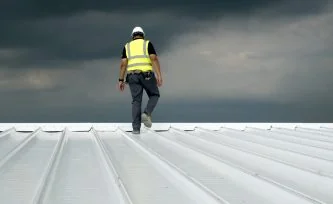
Standalone Painting vs Restoration
Pure roof painting involves cleaning the surface, applying primer, and adding multiple coats of specialised roof paint. It is sometimes offered as a low-cost cosmetic service for roofs that are structurally sound but visually tired. The paint provides UV protection and can extend the life of the substrate, but it does not repair cracks, repoint ridge caps, or address rusted valleys and flashings.
Full restoration includes all the structural repairs first, then finishes with the paint system. This means rebedding and repointing ridge caps and hips, replacing broken tiles or rusted sheeting, repairing or replacing flashings, and ensuring all fixings are secure. The restoration process addresses the causes of leaks and deterioration, whereas standalone painting only covers the surface. For roofs older than 15 to 20 years, restoration is typically the better investment because the structural work prevents future problems that paint alone cannot fix.
Painting alone suits roofs that have been recently repointed or restored and now need cosmetic refresh, or newer roofs with intact pointing but faded or chalked coatings. For older roofs showing signs of cracked mortar, loose tiles, or rust staining, painting over the problems will only delay the inevitable repairs and may shorten the lifespan of the new paint itself.
Roof Painting Cost Estimates
Standalone painting prices for tile or metal roofs in good structural condition. Pricing depends on roof size, paint product quality, and access difficulty. These ranges apply to typical single-storey to two-storey homes in the Illawarra region.
| Service | Range | What it covers |
|---|---|---|
| Basic paint (clean + primer + 2 coats) | $2,500 to $4,500 | Small to mid-size roof, simple access, standard acrylic paint |
| Mid-tier paint (premium acrylic) | $3,500 to $6,000 | Includes UV-resistant coatings, biocide treatment, better durability |
| Premium thermal coating system | $5,000 to $8,000+ | Heat-reflective coatings for energy savings, longer product life |
| Two-storey or complex access | Add 20 to 30 per cent | Scaffolding, safety harness systems, steep or high-pitch roofs |
What Quality Roof Painting Includes
A proper paint job begins with high-pressure cleaning to remove all moss, lichen, dirt, and chalking from the previous coating. This step is critical because paint will not adhere properly to a contaminated surface. After cleaning, biocide treatment is applied to kill spores and prevent regrowth. Any surface repairs for cracked tiles or minor rust spots should be completed before priming.
The primer coat ensures adhesion and seals porous surfaces such as terracotta or concrete tiles. Quality paint products specify spread rates per litre per square metre, and reputable applicators follow these rates to achieve the recommended thickness. Skimping on paint volume results in thin coatings that fade and fail prematurely. At least two top coats of the chosen colour are standard, with some premium systems recommending three coats for maximum durability.
Manufacturer specifications typically provide performance expectations ranging from 7 to 15 years for premium coatings, depending on product type, substrate, and exposure. These figures assume proper surface preparation and application rates. Lower-grade paints may only offer 3 to 5 years of colour retention before noticeable fading or peeling occurs. Always confirm the specific product brand, technical data sheet, and expected lifespan before accepting a quote.
Why Paint Product Choice Matters
A cheap roof paint job at $2,500 may last only 3 to 5 years before fading or peeling, especially under harsh Australian sun. A premium acrylic system at $4,500 might deliver 12 to 15 years of colour retention and weather resistance. Calculate the cost per year of service rather than the upfront price alone. The more expensive system is often significantly cheaper over its lifespan. Always confirm the specific product brand, technical data, and expected performance period being used. Ask for the manufacturer data sheet and check independent reviews of the coating system.
Hidden Cost Considerations
Several factors can add to the base painting price. Understanding these upfront helps avoid quote surprises and ensures accurate budgeting.
- Access equipment: scaffolding, edge protection, or harness anchor systems for two-storey or steep roofs can add $800 to $2,000 depending on complexity.
- Repairs to broken tiles or rusted sheets: these are charged separately from painting. Expect $50 to $150 per tile replacement or $200 to $600 per square metre for rusted metal sheet repairs.
- Replacement of degraded ridge cap pointing: if the mortar is cracked or missing, repointing should be done before painting. This can add $1,500 to $4,000 for a typical home.
- Gutter and downpipe cleaning before and after work: essential to prevent debris from staining the new paint. Budget $150 to $400 for cleaning services.
- Removal and disposal of waste material: moss, dirt, and old paint residue. Most contractors include this, but confirm in writing.
- Paint colour matching for heritage or covenant-controlled properties: some councils or body corporates require specific colours. Custom matching may incur small additional fees.
- Additional cost for accent or trim painting on fascia and barge boards: painting these elements separately adds to labour time. Expect $500 to $1,500 extra for full trim painting.
Frequently asked questions
Lifespan depends on the product quality, substrate type, and exposure. Basic acrylic paints last 3 to 5 years before noticeable fading. Mid-tier UV-resistant acrylics can deliver 7 to 10 years. Premium membrane or thermal coatings may last 12 to 15 years or more if applied correctly. Coastal and high-UV areas typically experience faster degradation than sheltered inland properties.
Painting is worth it for roofs in good structural condition that need cosmetic refresh, or for roofs recently restored. For older roofs with cracked mortar, loose tiles, or rust, restoration is the better investment because it addresses the underlying problems. Painting over structural issues wastes money because the paint cannot hold failing substrates together.
A standard quote should include high-pressure cleaning, biocide treatment, minor surface repairs, primer coat, and at least two top coats. It should specify the paint brand, product data, spread rate, and expected lifespan. Access equipment, waste disposal, and gutter cleaning are sometimes included or listed separately. Always ask for a detailed breakdown to compare quotes accurately.
DIY roof painting is possible if you have the safety equipment, pressure washer, spray gear or rollers, and time. However, improper surface preparation or incorrect paint application can result in premature failure. Working at height carries serious injury risk. Professional applicators have insurance, scaffolding, and experience achieving even coatings at the correct thickness. For most homeowners, hiring professionals is safer and more cost-effective.
Paint colour itself rarely affects the price significantly. However, darker colours absorb more heat, which can shorten the lifespan of some coatings. Heat-reflective additives or lighter tones may extend durability in hot climates. Some premium thermal coatings are formulated to reflect heat even in dark colours, but these products cost more upfront. Discuss colour choice and product compatibility with the applicator.
Roofing services related to this guide
Related roofing guides
If you have questions about your specific roof, call us on (02) 5850 0271
Email: info@wollongonglocalroofers.com.au
Mon - Sat • 7:00am - 7:00pm
Ready to protect your roof?